あなたはいくつ言える?この「生理現象」英語で何と言う?

日常生活で毎日経験している「生理現象」や「体に起こる変化」。いざ英語で言おうとすると、「くしゃみをする」「足がつる」「お腹が鳴る」といったごく身近な動作ほど、パッと単語が出てこないものです。
今回は、体の部位や状況ごとに使える生理現象の英語表現をドカンと網羅して解説します!
1. 呼吸・心拍関係(Respiratory & Heart Rate)
呼吸する:breathe
- 解説: 名詞の breath(息)と混同しやすいですが、動詞は語尾に e がつく breathe です。
- 例文: Take a deep breath and breathe in slowly through your nose.(深呼吸をして、鼻からゆっくり息を吸ってください。)
咳をする:cough
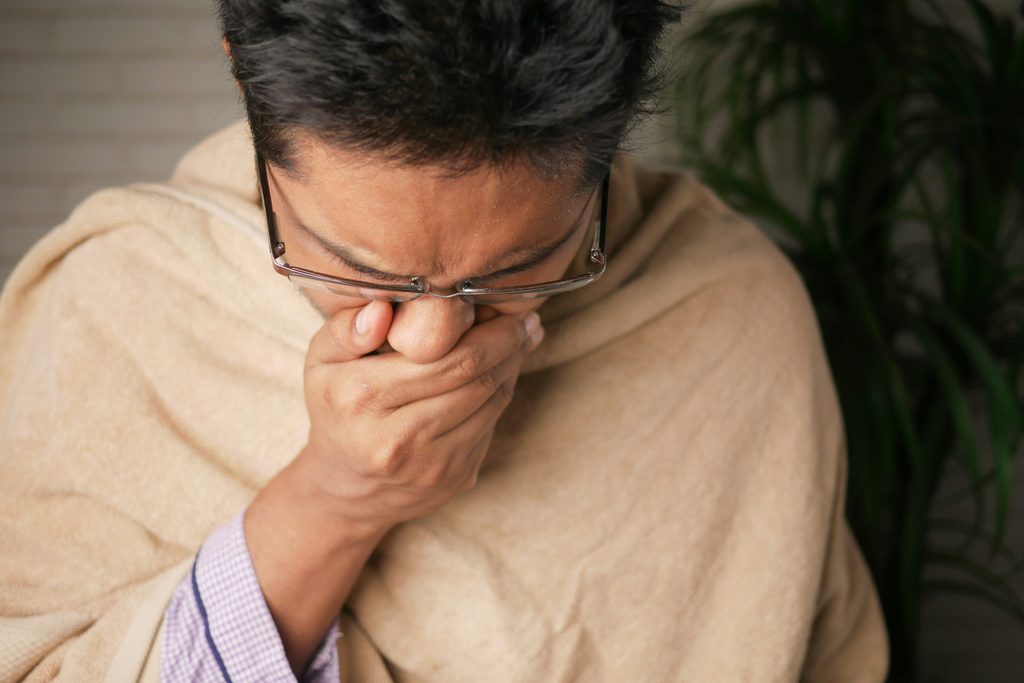
- 解説: 名詞・動詞ともに cough です。「酷い咳」は a bad cough と表現します。
- 例文: He has been coughing all morning because of a cold.(彼は風邪のせいで今朝からずっと咳をしている。)
くしゃみをする:sneeze
- 解説: くしゃみをした人には “God bless you!”(お大事に)と声をかけるのが定番マナーです。
- 例文: Dust makes me sneeze repeatedly.(ホコリのせいで、何度もくしゃみが出てしまう。)
しゃっくりをする:hiccup
- 解説: 名詞・動詞どちらも hiccup です。「しゃっくりが止まらない」は have the hiccups と複数形を使います。
- 例文: I can’t stop my hiccups no matter how much water I drink.(どんなに水を飲んでもしゃっくりが止まらない。)
心拍が上がる(下がる):my heart rate goes up (down) / my heart races
- 解説: 「ドキドキして脈が速くなる」感覚は my heart is racing(心臓がレースをしている)と表すことも多いです。
- 例文: My heart rate went up significantly right before the presentation.(プレゼンの直前に心拍数が急上昇した。)
2. 体に起こる現象(Body Sensations & Actions)
鼻をかむ:blow one’s nose

- 解説: 「(風などで)吹く」を意味する blow を使います。
- 例文: Excuse me for a moment, I need to blow my nose.(ちょっと失礼して、鼻をかんできます。)
耳鳴りがする:my ears are ringing
- 解説: 耳の中でベルが鳴っているイメージで ring を使います。
- 例文: My ears have been ringing ever since the loud concert ended.(大音量のコンサートが終わってから、ずっと耳鳴りがしている。)
肩が凝る:have stiff shoulders
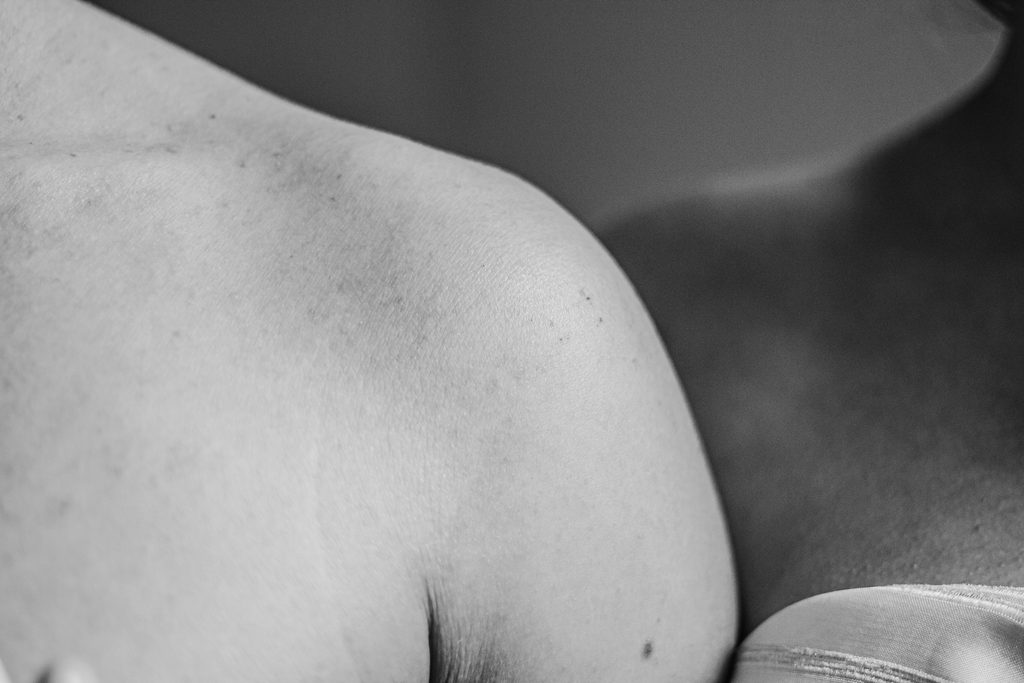
- 解説: 「凝り固まった」を意味する stiff を使います。
- 例文: Working on the computer all day gives me stiff shoulders.(一日中パソコン仕事をしていると肩が凝る。)
立ちくらみする:feel dizzy / feel lightheaded
- 解説: クラクラする時は dizzy、血の気が引いて頭が軽くなる感じは lightheaded がぴったりです。
- 例文: I felt lightheaded when I stood up too quickly from the sofa.(ソファから急に立ち上がったとき、立ちくらみがした。)
足がつる:get a cramp in one’s leg / my leg cramps

- 解説: 筋肉の痙攣を意味する cramp を使います。
- 例文: I suddenly got a cramp in my leg while swimming in the pool.(プールで泳いでいる最中に、突然足がつってしまった。)
背中がかゆい:my back is itchy / my back itches
- 解説: 形容詞の itchy(かゆい)、または動詞の itch を使います。
- 例文: My back is so itchy that I can’t reach it to scratch.(背中がすごくかゆいのに、手が届かなくてかけない。)
まばたきをする:blink
- 解説: パチパチと瞬きをする動作全般を指します。
- 例文: The bright light made her blink several times.(眩しい光のせいで、彼女は何度もまばたきをした。)
目を擦る:rub one’s eyes
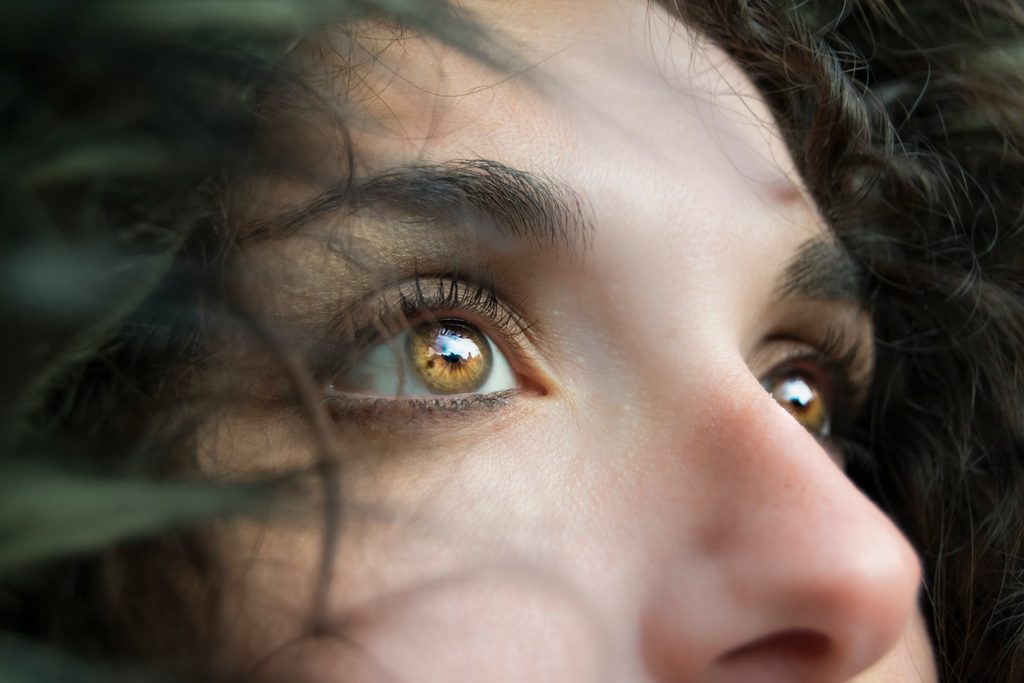
- 解説: 「こする、揉む」を意味する rub を使います。
- 例文: If you rub your eyes with dirty hands, you might get an infection.(汚い手で目を擦ると、感染症になるかもしれませんよ。)
お腹が鳴る:my stomach is rumbled / my stomach is growled
- 解説: 胃がゴロゴロ鳴る音は rumble、グーッと唸る音は growl(動物の唸り声と同じ)と表します。
- 例文: My stomach growled loudly right in the middle of the quiet meeting.(静かな会議の真ん中で、お腹が派手に鳴ってしまった。)
3. 睡眠関係(Sleep-related)
あくびをする:yawn
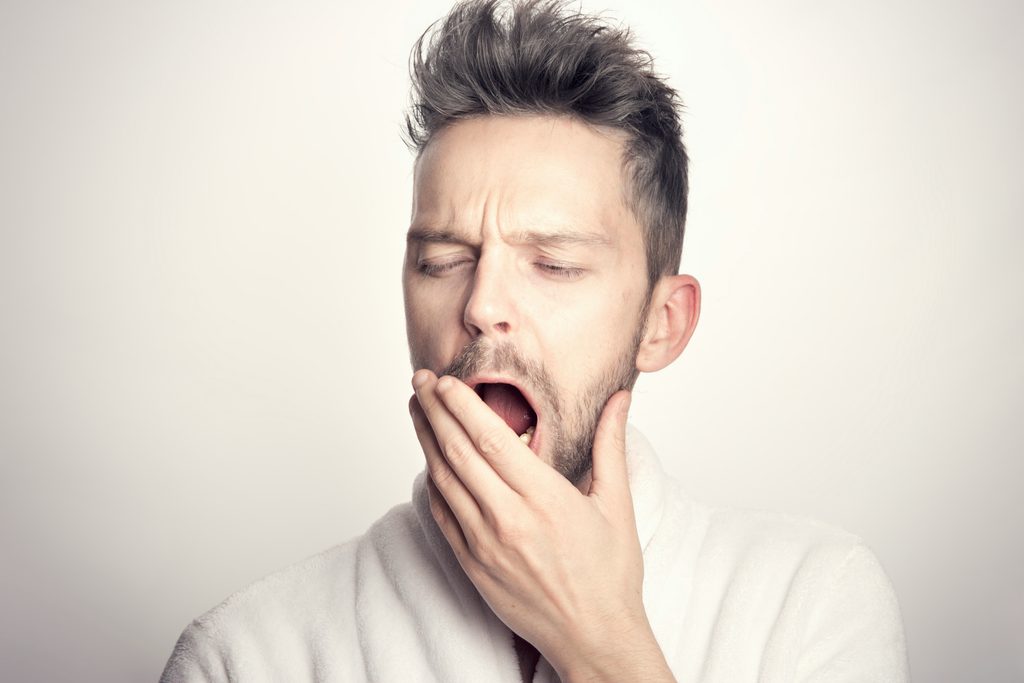
- 解説: 発音は「ヨーン」に近いです。
- 例文: He tried to hide his yawn during the long lecture.(彼は長い講義の最中、あくびを隠そうとした。)
うたた寝する:doze off / nod off
- 解説: うとうと眠りに落ちていく感覚は doze off、首をカクカクさせながら寝落ちは nod off です。
- 例文: I accidentally dozed off on the train and missed my station.(電車の中でうっかりうたた寝をして、降りる駅を乗り過ごした。)
いびきをかく:snore

- 解説: 動詞・名詞どちらでも使えます。
- 例文: My husband snores so loudly that I sometimes have to wear earplugs.(夫のいびきがうるさすぎて、時々耳栓をしなければならない。)
歯潰りする:grind one’s teeth
- 解説: 「(すり鉢などで)ゴリゴリすり潰す」を意味する grind を使います。
- 例文: She didn’t know that she ground her teeth while sleeping until her roommate told her.(彼女はルームメイトに言われるまで、寝ている間に歯削りしていることを知らなかった。)
寝言を言う:talk in one’s sleep
- 解説: 直訳そのまま「睡眠中に話す」で通じます。
- 例文: He was talking in his sleep last night and laughing loudly.(彼は昨晩、寝言を言いながら大声で笑っていた。)
ヨダレを垂らす:drool
- 解説: 赤ちゃんやペットが垂らすヨダレも drool です。
- 例文: I woke up and realized I had drooled all over my pillow.(目を覚ますと、枕全体にヨダレを垂らしていたことに気づいた。)
お漏らしをする:wet the bed / wet oneself
- 解説: おねしょなら wet the bed、服を汚してしまうお漏らしなら wet oneself です。
- 例文: My little son was embarrassed because he wet the bed this morning.(幼い息子は、今朝おねしょをしてしまって恥ずかしがっていた。)
寝坊する:oversleep
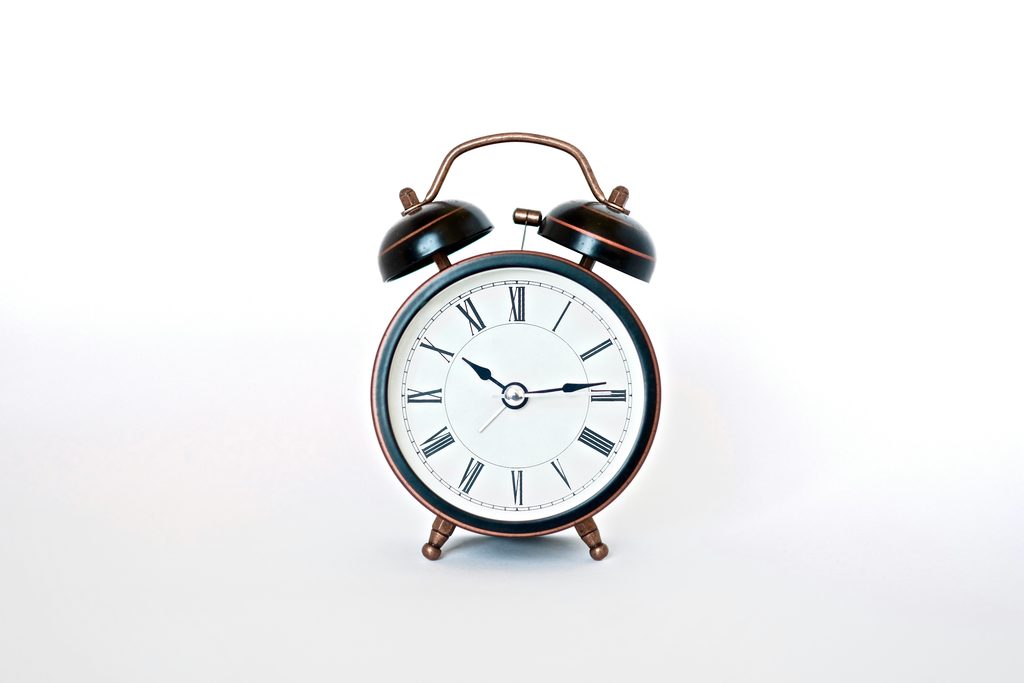
- 解説: 単に「遅く起きる(stay in bed)」のではなく、「意図せず寝過ごした」場合に oversleep を使います。
- 例文: I overslept this morning because my alarm failed to go off.(アラームが鳴らなかったせいで、今朝は寝坊してしまった。)
4. その他(Other Physical Responses)
鳥肌が立つ:get goosebumps
- 解説: ブツブツした皮膚が「ガチョウの皮膚(goosebumps)」に似ていることからこう呼ばれます。
- 例文: I got goosebumps when I heard her beautiful singing voice.(彼女の美しい歌声を聞いた瞬間、鳥肌が立った。)
寒気がする:feel chilly / have the chills

- 解説: 風邪の引き始めなどでゾクゾクする時は have the chills と表現します。
- 例文: I think I have a fever because I’ve been having the chills all afternoon.(午後ずっと寒気がするので、熱があるのかもしれない。)
(頭が)かゆい:my head is itchy
- 解説: 頭皮のかゆみは my scalp is itchy と言うとより正確ですが、日常会話では my head is itchy で十分通じます。
- 例文: My head is itchy because I forgot to wash my hair yesterday.(昨日髪を洗い忘れたから、頭がかゆいよ。)
体感フレーズ一覧表
| カテゴリ | 日本語 | 英語表現 |
| 呼吸 | くしゃみをする | sneeze |
| しゃっくりをする | hiccup | |
| 体 | 鼻をかむ | blow one’s nose |
| 立ちくらみする | feel lightheaded | |
| 足がつる | get a cramp in one’s leg | |
| お腹が鳴る | stomach growls / rumbles | |
| 睡眠 | うたた寝する | doze off |
| いびきをかく | snore | |
| ヨダレを垂らす | drool | |
| その他 | 鳥肌が立つ | get goosebumps |
| 寒気がする | have the chills |
毎日のふとした瞬間に「あ、これ英語で何て言うんだっけ?」と思い出しながら使ってみてくださいね!